


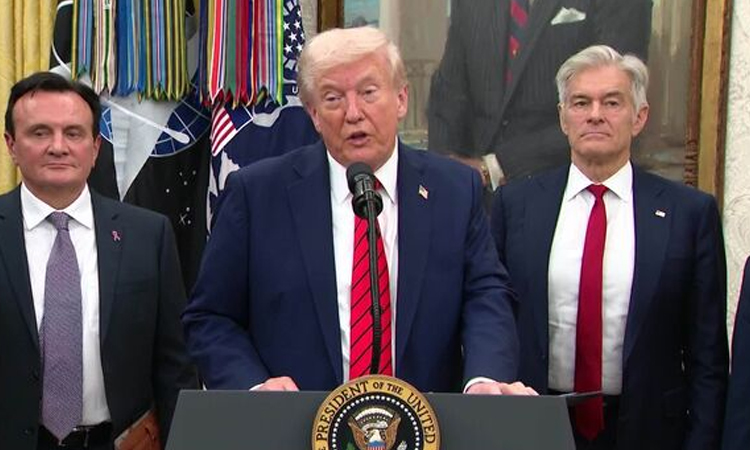
The U.S. government has announced a new agreement with AstraZeneca that aims to reduce prescription drug costs for low-income Americans. The deal, revealed on October 10, 2025, will see the British pharmaceutical company supply several of its key medicines to Medicaid at significantly discounted prices. In exchange, AstraZeneca will receive a three-year exemption from import tariffs on its U.S. drug shipments.
This U.S. drug-pricing deal marks one of the most notable public-private healthcare collaborations under the current administration. It is expected to lower financial barriers for millions of Americans who depend on Medicaid for essential medicines, including treatments for heart disease, diabetes, and cancer. Officials described the agreement as a major step toward creating a fairer and more sustainable healthcare system.
Government representatives said the plan could save the U.S. healthcare system billions of dollars over the next three years. By reducing the prices of life-saving medications, the initiative also aims to curb the rising trend of patients skipping prescriptions due to cost. AstraZeneca, known for its long list of innovative drugs, has confirmed that it will maintain the quality and supply of its products while reducing costs for Medicaid.
The administration said the tariff exemption is a temporary incentive to encourage more companies to follow similar models. The move is expected to strengthen domestic access to affordable medicines while keeping foreign suppliers engaged in the U.S. market. Health analysts believe that the balance of incentives and social benefits could become a blueprint for future negotiations between the government and pharmaceutical companies.
Under the agreement, AstraZeneca’s discounted drug list will include several high-demand treatments for chronic diseases that affect millions of Americans. These include heart medications, respiratory drugs, and cancer therapies. Medicaid programs across all U.S. states will begin receiving the discounted supplies within the next few months. The plan will be reviewed annually to ensure price fairness and supply consistency.
President Trump praised the deal, calling it a breakthrough in the fight against inflated drug prices. He said the initiative reflects his administration’s commitment to making healthcare more affordable without compromising innovation or quality. “This partnership will bring real relief to American families,” he stated during a press briefing.
AstraZeneca’s CEO also welcomed the agreement, highlighting the company’s dedication to improving healthcare access globally. The company has been a long-term partner of U.S. health agencies, providing vaccines and essential drugs. The tariff relief, according to industry experts, will help AstraZeneca allocate more resources toward research and development, including treatments for rare and chronic diseases.
Healthcare economists see this as a win-win situation. For patients, it reduces out-of-pocket expenses and ensures access to vital drugs. For the government, it helps control healthcare inflation. For AstraZeneca, it offers market stability and reputational gains. Analysts also predict that this deal could influence other global pharmaceutical companies to pursue similar collaborations with governments to promote affordable medicine programs.
The announcement has sparked optimism among advocacy groups that have long campaigned for stronger price regulations in the drug industry. They argue that high drug costs remain one of the biggest challenges in the U.S. healthcare system. This agreement, they say, sets an important precedent for the future.
By aligning industry profit goals with public health needs, the U.S. drug-pricing deal could mark the start of a new era in pharmaceutical policy. If successful, it may pave the way for a more inclusive healthcare framework—one where access to medicine is viewed as a right rather than a privilege.
