


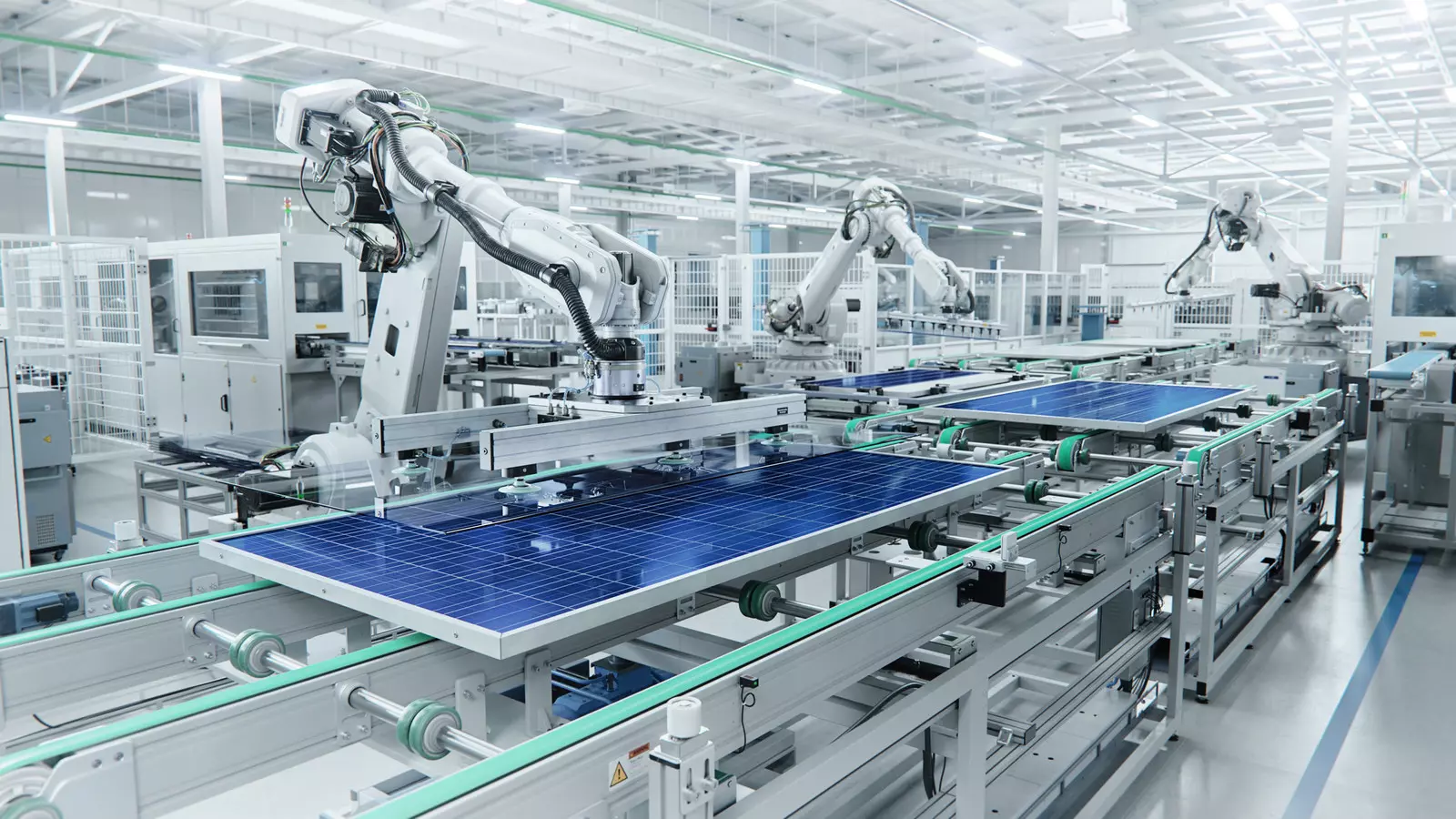
Manufacturing in the United States is entering a new era. US manufacturing innovation is transforming factories through smart supply chains, advanced technology, and modern processes. Experts say this shift helps companies become more efficient, competitive, and ready for future challenges. It also creates new opportunities for economic growth and job creation.
Smart supply chains are a major focus of this transformation. Companies are using digital tools to track materials, monitor production, and manage inventory in real time. Sensors, artificial intelligence, and cloud-based platforms allow managers to respond quickly to delays or disruptions. This reduces waste, saves time, and improves overall productivity. Analysts note that smarter supply chains make US manufacturers more resilient to global challenges.
Technology integration is another key aspect. Automation, robotics, and advanced analytics are becoming standard in many factories. Machines work alongside human operators to handle repetitive tasks, improve precision, and speed up production. This integration allows employees to focus on higher-value work, such as problem-solving and innovation. Experts say that technology adoption is a critical factor in sustaining long-term competitiveness.
Innovation is driving new approaches in manufacturing. US companies are exploring advanced materials, energy-efficient processes, and flexible production systems. These improvements reduce costs, enhance product quality, and support sustainability goals. By investing in research and development, manufacturers can respond to changing market needs and introduce cutting-edge products. This culture of innovation strengthens both the companies and the broader economy.
US manufacturing innovation also has a positive impact on employment. While automation handles some repetitive work, new roles are created for engineers, technicians, data analysts, and project managers. Workforce training programs are helping employees gain skills needed for modern production environments. Experts emphasize that investing in talent is as important as investing in technology. It ensures that the benefits of innovation reach workers as well as companies.
The economic impact is significant. Efficient and innovative manufacturing boosts productivity, lowers costs, and supports supply-chain stability. This benefits businesses, consumers, and the overall economy. Strong manufacturing also attracts investment and strengthens the country’s global competitiveness. Analysts say that modernized factories contribute to both short-term gains and long-term economic growth.
Sustainability is another outcome of these efforts. Advanced technologies allow manufacturers to reduce energy use, minimize waste, and optimize resources. Smart systems help monitor emissions, track materials, and improve recycling. These improvements are increasingly important for meeting environmental standards and satisfying consumer demand for sustainable products.
US manufacturers are also collaborating more closely with research institutions, technology providers, and industry associations. These partnerships accelerate the adoption of new tools, share best practices, and support innovation across regions. By working together, companies can solve common challenges and develop solutions that benefit the entire manufacturing ecosystem.
Global competition is increasing, and US manufacturing innovation is key to staying ahead. Countries around the world are investing in smart factories and automation. By embracing technology and innovation, US companies maintain leadership and create high-quality products that meet global demand. Experts say that this approach ensures long-term success in a rapidly changing market.
The adoption of innovation is not only about efficiency but also about creating value. Modernized manufacturing allows companies to respond faster to customer needs, launch new products, and explore new markets. These benefits strengthen the business and help maintain economic stability. Analysts note that innovation in manufacturing has a multiplier effect, supporting supply chains, jobs, and technological progress.
Overall, US manufacturing innovation is transforming the industry. Smart supply chains, technology integration, and research-driven improvements are making factories more efficient and competitive. Workers benefit from new skills and better opportunities, while the economy gains from increased productivity and resilience. As manufacturing continues to modernize, it plays a key role in sustaining the United States’ technological and economic leadership.
