


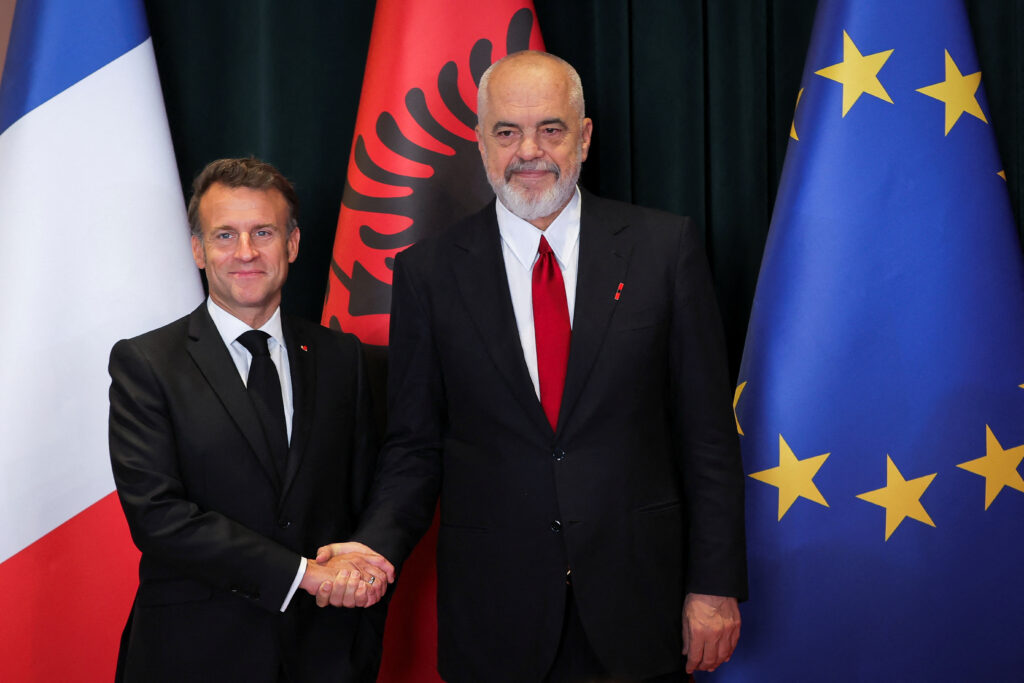
The latest European Commission assessment found that Montenegro is leading among EU accession candidates, while Albania has made “extraordinary progress” toward meeting membership criteria.
Montenegro’s leadership reflects its consistent reforms in governance, rule of law, and public administration. Analysts say the country’s steady approach positions it as a model for other candidates seeking EU membership.
Albania has also achieved significant milestones, including reforms in judicial independence, anti-corruption measures, and public sector efficiency. The Commission described these changes as “extraordinary progress,” signaling growing confidence in the country’s EU integration path.
The assessment highlights both countries’ commitment to democratic standards and institutional development. Strengthening these areas is essential for alignment with EU policies and requirements for membership.
Political observers note that Montenegro’s lead demonstrates the effectiveness of sustained reform efforts. Continuous improvements in transparency, accountability, and governance have reinforced the country’s credibility in the accession process.
Albania’s progress, meanwhile, shows that rapid reforms can accelerate EU integration prospects. Government initiatives targeting the judiciary, rule of law, and anti-corruption measures have been particularly praised by the Commission.
Both countries are now under increased international attention as potential new members of the European Union. Their success in reforms is expected to influence other candidate states and set benchmarks for future accession negotiations.
Civil society organizations in Montenegro and Albania have also played a key role in supporting reforms. Public engagement, advocacy, and monitoring of government initiatives have contributed to the advancement of democratic standards.
The Commission’s assessment underscores the importance of aligning domestic policies with EU standards. Countries demonstrating measurable progress strengthen their case for accession and build trust among current member states.
Analysts suggest that the progress achieved by Montenegro and Albania may encourage continued investment and cooperation from the EU. Political and economic partnerships are likely to expand as both nations move closer to meeting membership criteria.
Experts highlight that reforms in these candidate countries have tangible benefits for citizens. Improvements in judicial independence, anti-corruption measures, and public administration enhance governance and promote social and economic development.
Montenegro’s leadership among EU candidates signals that sustained commitment to reform pays off. Albania’s rapid progress illustrates that focused policy changes can achieve meaningful results even in a shorter timeframe.
The European Commission’s findings also provide a roadmap for other aspirant countries. Clear benchmarks for institutional reform and democratic consolidation help guide candidates in aligning with EU expectations.
Overall, Montenegro’s top position and Albania’s remarkable progress highlight positive trends in EU enlargement. Both countries are demonstrating the potential for effective governance, transparency, and adherence to EU principles.
These developments mark an encouraging step toward deeper European integration. Montenegro and Albania are setting examples for candidate nations, showing that dedication to reform and democratic values is essential for accession success.
