


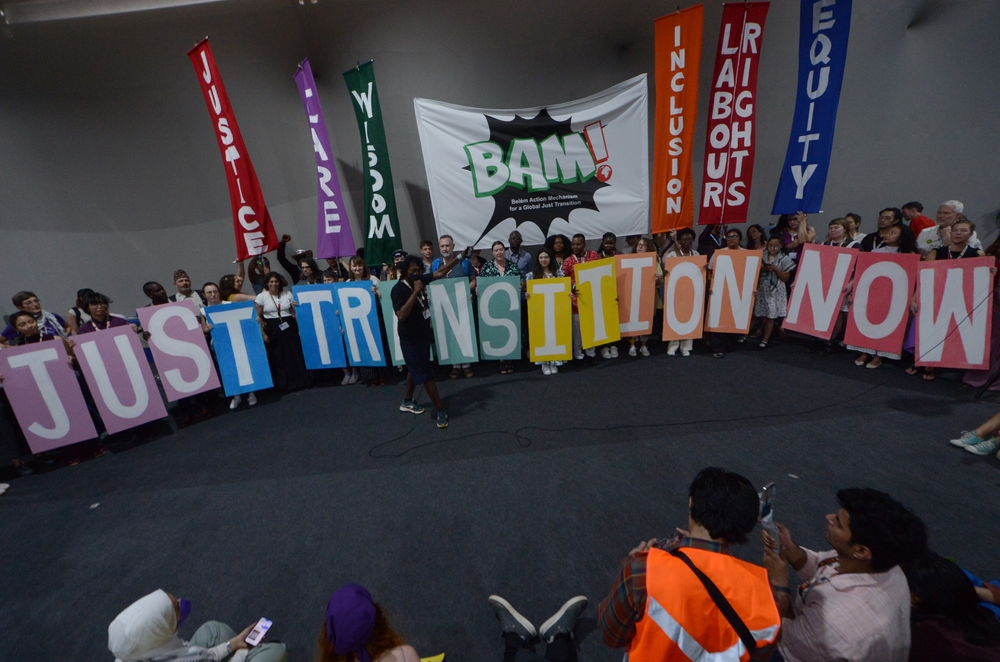
Activists described climate impacts in their countries and called for stronger youth representation in UN negotiations.
Thousands marched to the gates of COP30 in Belem, Brazil, blocking the venue in a peaceful protest. Brazilian youth groups, activists, and Indigenous communities joined to demand urgent climate action.
Rachelle Junsay from Climate Action Philippines said youth frustration stems from inheriting a threatened planet. She criticized negotiators for excluding real victims and affected communities from discussions.
Protests Return After Three-Year Pause
Protesters demonstrated outside UN climate talks for the first time since 2021. Organizers presented the conference as a platform empowering and celebrating Indigenous peoples.
Earlier this week, activists surrounded the venue twice, once injuring two security guards slightly. Saturday’s march stopped short of the site, where negotiations continued for a full day.
Participants welcomed the ability to protest more freely in Belem than at recent summits in Azerbaijan, UAE, and Egypt. Youth leader Ana Heloisa Alves called it the largest climate march she had attended.
Alves joined the protest to defend the Tapajos River from commercial development. Her group’s signs read: “The river is for the people.”
Calls Grow for Broader Participation
Pablo Neri, coordinator for the Movimento dos Trabalhadores Rurais Sem Terra in Pará, urged organizers to include more voices to match the growing grassroots climate movement.
The COP30 talks run through Friday, 21 November. Analysts and participants expect limited new agreements but hope for progress on funding to help vulnerable countries adapt to climate change.
The United States skipped the summit. President Donald Trump mocked climate change as a hoax and withdrew the country from the 2015 Paris Agreement.
