


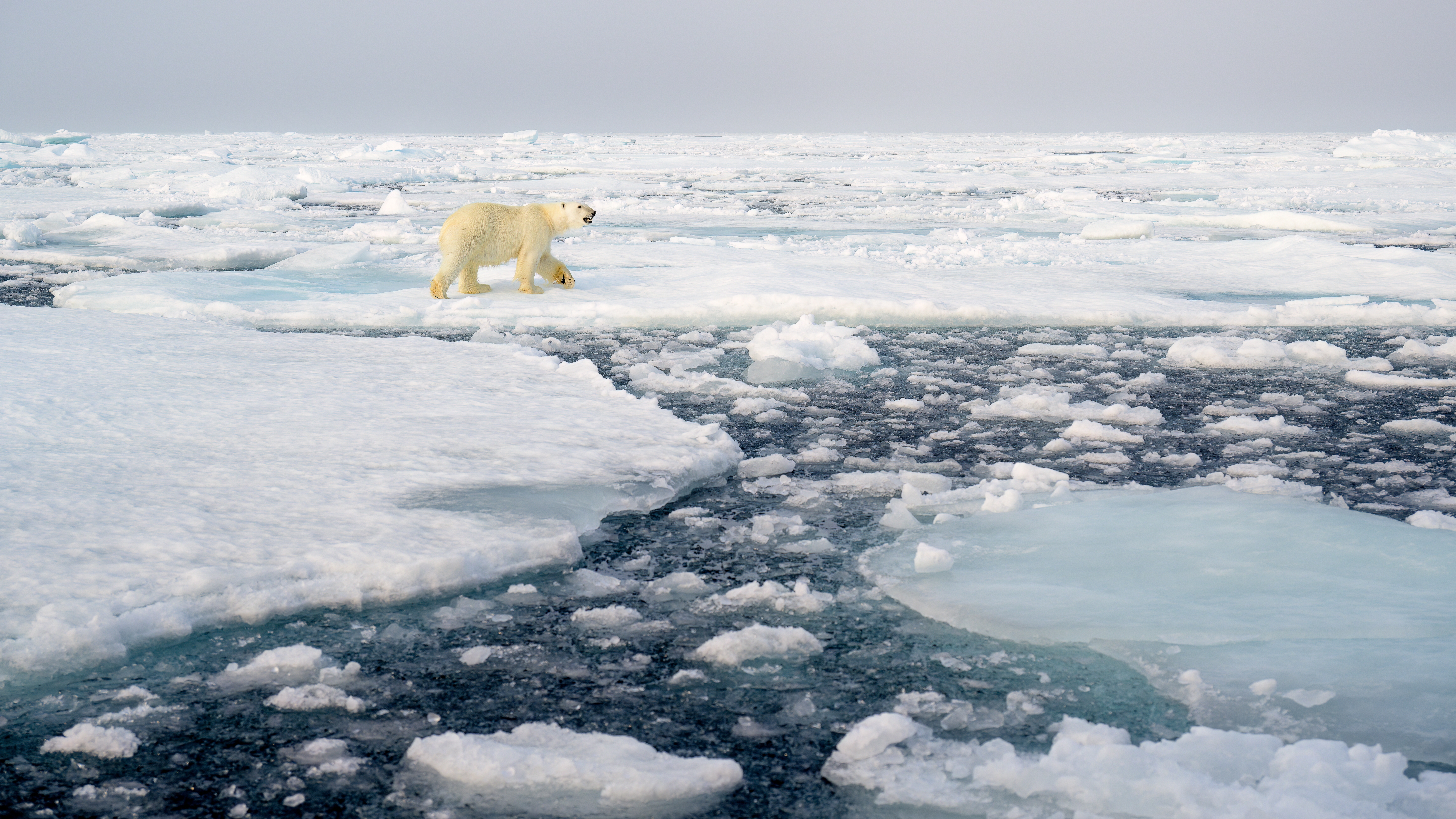
Scientists have identified genetic changes in polar bears that could help the animals adapt to rising temperatures, offering new insight into how wildlife responds to climate change.
Researchers from the University of East Anglia found that polar bears living in south-east Greenland show distinct genetic activity compared with bears in colder northern regions. The study, published in Mobile DNA, links warmer local temperatures to increased activity of so-called “jumping genes” – mobile pieces of DNA that can alter how other genes function.
By analysing blood samples from bears in different parts of Greenland and comparing gene activity with regional climate data, scientists found that genes linked to heat stress, metabolism and ageing behaved differently in the warmer south-east. These changes appear to reflect adaptations to shifting diets and habitats as sea ice declines.
Bears in south-east Greenland experience greater temperature fluctuations and less stable ice, and their DNA showed more rapid changes than bears in the north. Some of the genetic shifts were linked to fat processing, potentially helping bears survive periods of food scarcity as they rely less on seal-based diets.
Lead researcher Dr Alice Godden said the findings provide the first statistically significant evidence that rising temperatures are driving DNA changes in a wild mammal. While the adaptations may offer limited hope for survival, she warned they are not enough to offset the risks posed by accelerating global heating.
The team plans to examine other polar bear populations worldwide to see whether similar genetic responses are occurring, while stressing that reducing fossil fuel emissions remains essential to the species’ long-term survival.
