


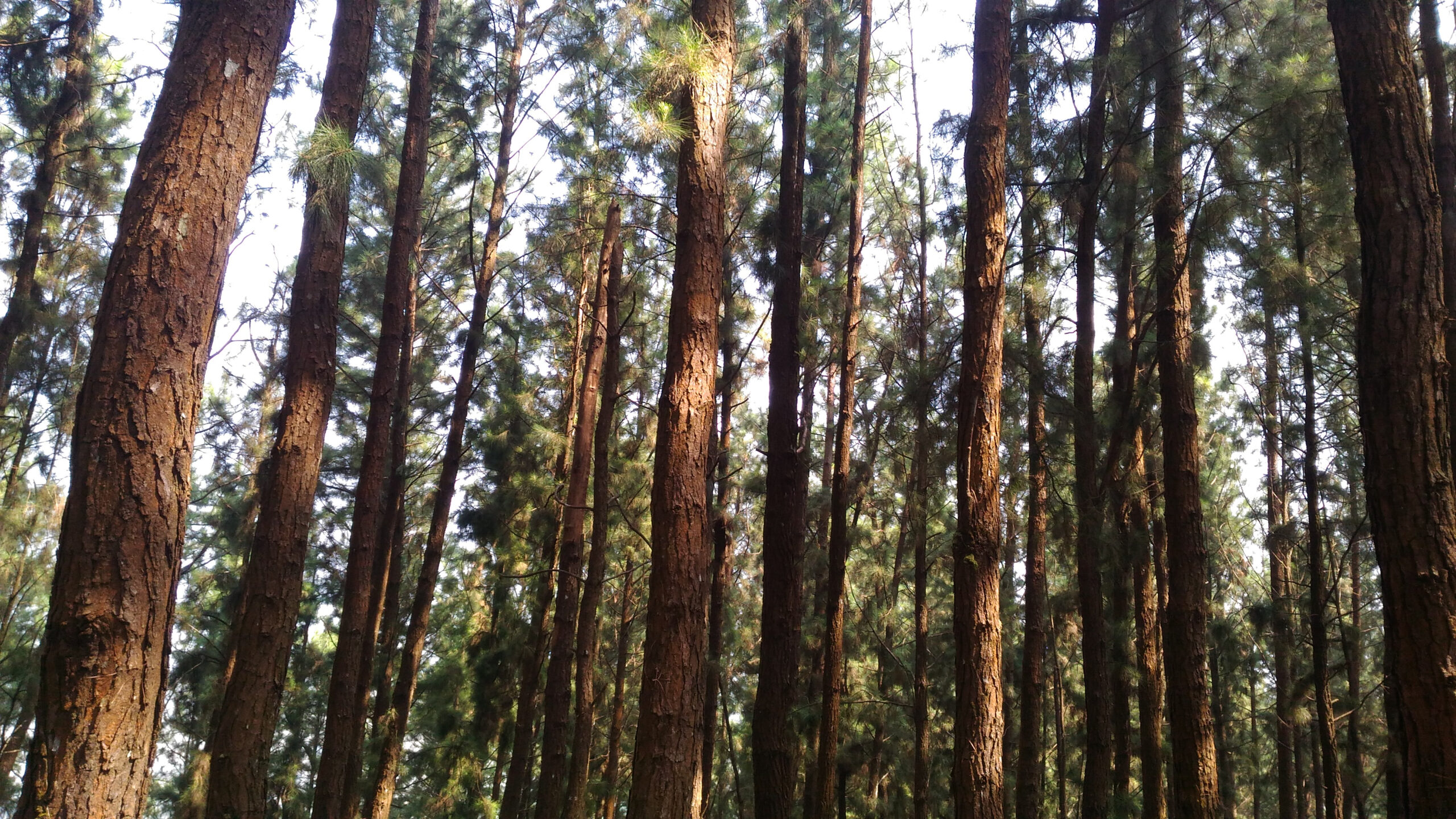
High in the Peloponnese mountains, Greece’s native fir forests are dying in alarming numbers – even in areas untouched by fire. Researchers say a combination of climate-driven stresses is pushing these once-hardy trees beyond their limits.
Dimitrios Avtzis, a senior researcher at Greece’s Forest Research Institute, first noticed the scale of the problem while surveying a spring wildfire. Beyond the burn zone, vast swathes of fir trees were already dead or dying. “There were hundreds of hectares of lost trees,” he said, prompting him to alert the environment ministry.
Wildfires have long been part of Mediterranean ecosystems, but scientists say the aftermath has changed dramatically in recent years. Prolonged drought, declining winter snow cover and rising temperatures are weakening fir trees, leaving them vulnerable to bark beetles that bore under the bark and disrupt water and nutrient transport. Once beetle populations explode, control becomes extremely difficult.
Similar outbreaks are now being reported across southern Europe, suggesting a wider ecological shift linked to climate breakdown rather than a local anomaly. While some regeneration is possible, recovery is slow and uneven, often taking years.
Researchers say urgent government action and funding are needed to protect these forests. “We have the knowledge and the tools,” Avtzis said. “What matters now is whether they are put into action – because this will only become more frequent and more intense.”
