


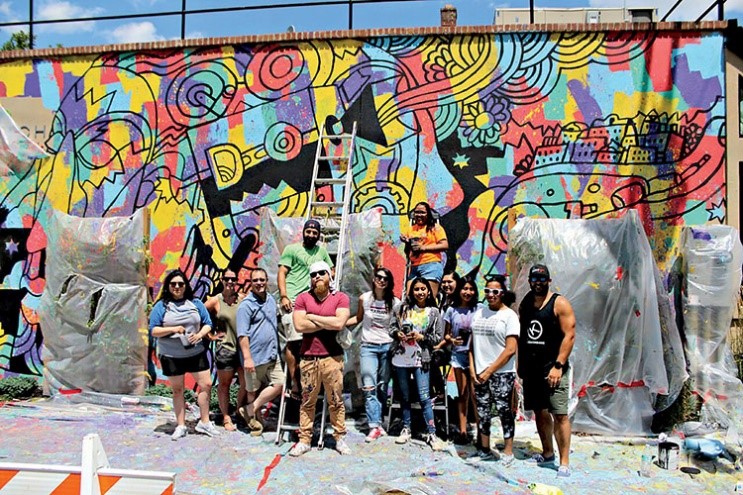
A new report shows that arts engagement can help people feel more connected to their communities and reduce feelings of loneliness. Researchers found that attending performances, visiting museums, and participating in creative activities encourages social interaction and fosters meaningful connections.
The study highlights how arts programs provide spaces where people can meet, share experiences, and build friendships. From local theater shows to community art projects, these activities bring residents together and strengthen social bonds. Experts say that participating in the arts benefits not only individuals but also entire neighborhoods.
Researchers noted that creative activities like painting, music, dance, and writing often encourage collaboration and discussion. People who take part in group workshops or art classes report feeling more included and supported. These activities create opportunities for social engagement that might not otherwise exist, helping to reduce isolation among adults of all ages.
Arts attendance also contributes to stronger community identity. Visiting concerts, galleries, or cultural festivals allows residents to share common experiences and celebrate local talent. Experts believe that these shared moments help people feel more connected to their city or town, creating a sense of belonging.
The report emphasizes that the benefits of arts engagement extend beyond social connection. Participants often report improved mental health, reduced stress, and increased happiness. Engaging in creative work can also inspire personal growth, boost confidence, and encourage empathy by exposing individuals to new ideas and perspectives.
Local organizations play a key role in making arts participation accessible. Museums, theaters, and community centers often host free or low-cost events, ensuring that people from different backgrounds can join. Schools and nonprofit programs also provide arts education and creative workshops, allowing younger generations to develop skills while building social connections.
Technology is helping expand access to the arts. Virtual performances, online art classes, and digital exhibitions allow people to participate even if they cannot attend in person. These platforms have helped connect audiences across neighborhoods, cities, and even states, broadening opportunities for engagement and interaction.
Experts suggest that arts engagement can be a tool for addressing social challenges like loneliness, especially among older adults or people living alone. By participating in cultural activities, people develop networks of support and increase their opportunities for meaningful interaction. This can improve overall quality of life and create stronger, more resilient communities.
Community leaders are increasingly recognizing the importance of arts programs. Cities that invest in cultural initiatives often see higher levels of volunteerism, civic participation, and community pride. Residents report feeling more involved and invested in the well-being of their neighborhoods when arts activities are accessible and inclusive.
The study concludes that arts engagement is more than entertainment—it is a pathway to social connection and community cohesion. Whether attending a local concert, joining a painting class, or participating in a cultural festival, people gain opportunities to meet others, share experiences, and develop lasting bonds. These activities help create neighborhoods where residents feel supported, valued, and connected.
Overall, the report highlights that arts participation is a simple yet effective way to build social bonds. By encouraging engagement in cultural events and creative projects, communities can help reduce loneliness, promote inclusion, and foster a sense of belonging for residents of all ages. As more people participate, the positive effects ripple across neighborhoods, strengthening social cohesion and improving quality of life nationwide.
