


A recent study highlights the major benefits of a clean energy transition for the United States. Innovations such as artificial intelligence, renewable energy adoption, and a growing digital economy can significantly reduce CO₂ emissions while promoting sustainable economic growth.
The research emphasizes that shifting toward cleaner energy sources and smarter technology can support both environmental and economic goals. By integrating AI with energy systems, utilities can optimize electricity use, reduce waste, and lower carbon output.
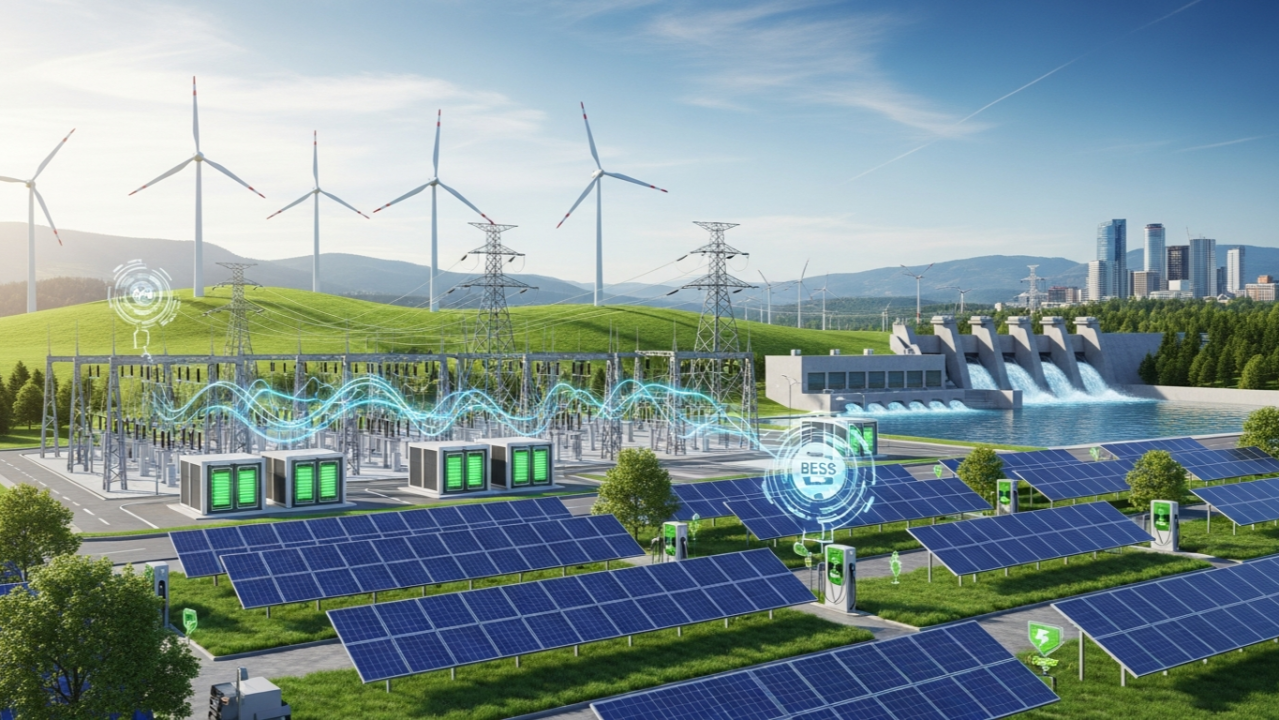
Renewable energy, including solar, wind, and hydro, is playing a central role. Increased adoption of these technologies helps cut reliance on fossil fuels, reduces greenhouse gas emissions, and provides long-term energy security. The study notes that renewables also create jobs and stimulate investment in new infrastructure.
The digital economy complements the clean energy shift. Advanced computing, cloud services, and smart grids improve efficiency and allow better energy management. Digital tools also enable tracking of emissions and resource use, helping governments and businesses meet climate targets more effectively.
The research highlights that these innovations work together. AI can manage renewable energy supply and demand, while the digital economy provides data insights to guide policy and investment decisions. This synergy allows for faster, more cost-effective CO₂ reductions across multiple sectors.
Economists note that a clean energy transition also fosters sustainable growth. Investments in renewables and AI-powered systems stimulate new industries, attract skilled workers, and increase productivity. Communities benefit from cleaner air, lower energy costs, and resilient infrastructure.
Policy implications are significant. The study recommends supporting research and development in energy technologies, creating incentives for renewable adoption, and investing in digital infrastructure. Long-term planning ensures that the U.S. remains competitive while meeting climate goals.
Experts emphasize that reducing emissions while growing the economy is achievable with the right combination of technology and policy. Innovations in AI, renewables, and digital tools provide practical, scalable solutions for both industry and government.
The report also points to global lessons. Countries investing in clean energy technologies and digital systems have seen faster CO₂ reductions and improved economic performance. This demonstrates that environmental sustainability and economic growth can go hand in hand.
Public and private sectors are encouraged to collaborate on clean energy initiatives. Partnerships between technology firms, utilities, and government agencies can accelerate deployment, share best practices, and maximize the benefits of innovation.
The study underscores that action is urgent. Rising emissions and climate risks require immediate adoption of cleaner energy systems. A strong policy framework, combined with technological innovation, ensures that the U.S. can meet climate targets while maintaining economic stability.
Long-term trends indicate that AI, renewables, and the digital economy will continue to expand. By strategically integrating these tools, the country can achieve a sustainable energy future, reduce environmental impact, and create new opportunities for growth and innovation.
The research concludes that the clean energy transition offers multiple benefits: lower CO₂ emissions, stronger economic growth, technological advancement, and improved public health. These outcomes highlight why sustainable energy policies are critical for the nation’s future.
