


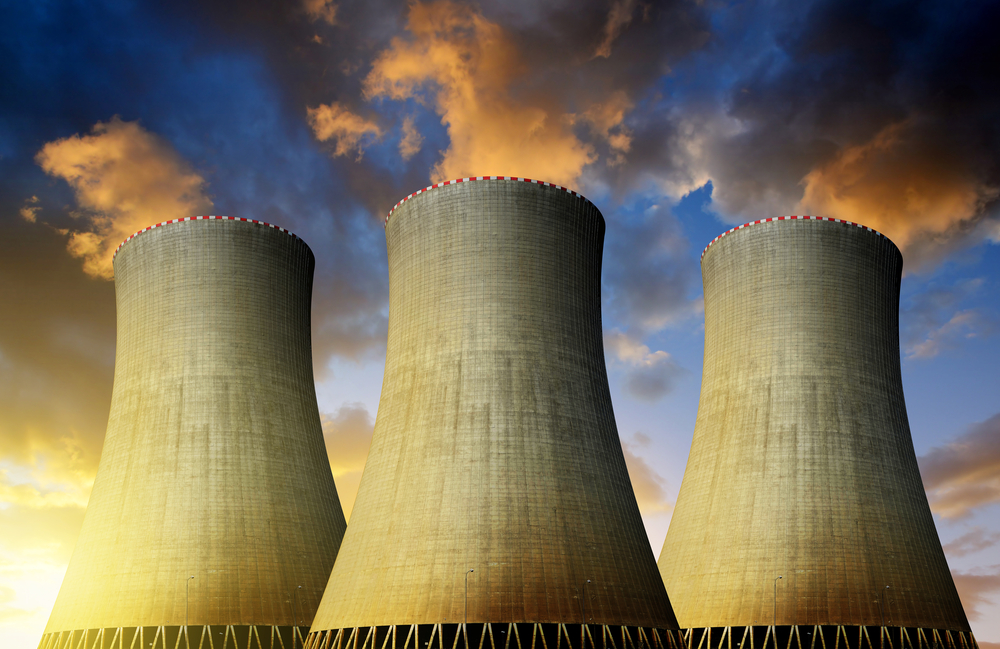
Dukovany Expansion Aims to Transform Energy Supply
Czechia plans to generate up to 60 percent of its electricity from nuclear power by 2050. Engineers build two new reactors at Dukovany, complementing the four 512-MW units built in the 1980s. Mobile drilling rigs extract samples 140 meters underground to verify geological stability for the $19 billion project. Officials say the expansion could double national nuclear output and strengthen Czechia’s position as one of Europe’s most nuclear-reliant nations.
South Korea’s KHNP won the contract over France’s EDF. Each new reactor will produce more than 1,000 megawatts and begin operation in the second half of the 2030s. Czech authorities can add two additional units at Temelín, which currently runs two 1,000-MW reactors. Officials also plan to deploy small modular nuclear reactors to further diversify the energy mix.
Petr Závodský, CEO of the Dukovany project, said nuclear power will supply 50 to 60 percent of electricity by 2050. He added the expansion will reduce fossil fuel reliance, stabilize costs, meet low-emission standards, and support growing electricity demand from electric vehicles and data centers.
Europe Revives Nuclear Investment
Rising energy demand and climate deadlines are reviving interest in nuclear technology. Nuclear plants produce radioactive waste but emit almost no greenhouse gases. The EU has classified nuclear energy as environmentally sustainable, which unlocks financing. This support benefits Czechia, Slovakia, Hungary, and France, all heavily dependent on nuclear power.
Belgium and Sweden reversed nuclear phase-out plans, while Denmark and Italy are reconsidering exits. Poland plans to join 12 nuclear-friendly EU countries by building three reactors with Westinghouse. The EU generated 24 percent of its electricity from nuclear in 2024.
Britain signed a cooperation deal with the United States and plans to invest £14.2 billion in Sizewell C, its first nuclear plant since 1995. CEZ, 70 percent state-owned, partnered with Rolls-Royce SMR to deploy small modular reactors in Czechia.
Costs, Security, and Controversy
The Dukovany expansion costs more than €16 billion, with the government acquiring an 80 percent stake. Authorities will secure a loan that CEZ will repay over 30 years and guarantee 40 years of electricity revenue. EU approval is expected to support climate-neutral goals by 2050.
Závodský said Czechia must add nuclear units because it still produces 40 percent of electricity from coal. The government plans to phase out coal by 2033. Earlier delays occurred when CEZ canceled a Temelín tender in 2014 due to lack of financial guarantees.
Security concerns removed Russia’s Rosatom and China’s CNG from the Dukovany tender after Russia’s invasion of Ukraine. CEZ signed fuel contracts with Westinghouse and France’s Framatome for 10 years, ending dependence on Russian supplies.
Opposition persists. Friends of the Earth calls nuclear energy too costly and says funding could improve other sectors. Czechia also lacks a permanent storage facility for spent fuel.
Dukovany and Temelín lie near Austria, which abandoned nuclear energy after Chernobyl. Austria remains highly skeptical and rejected Czech plans for small modular reactors. Past disputes over Temelín triggered a political crisis and blocked border crossings. Critics warn public and environmental risks could slow the expansion despite strong support for low-carbon energy.
