


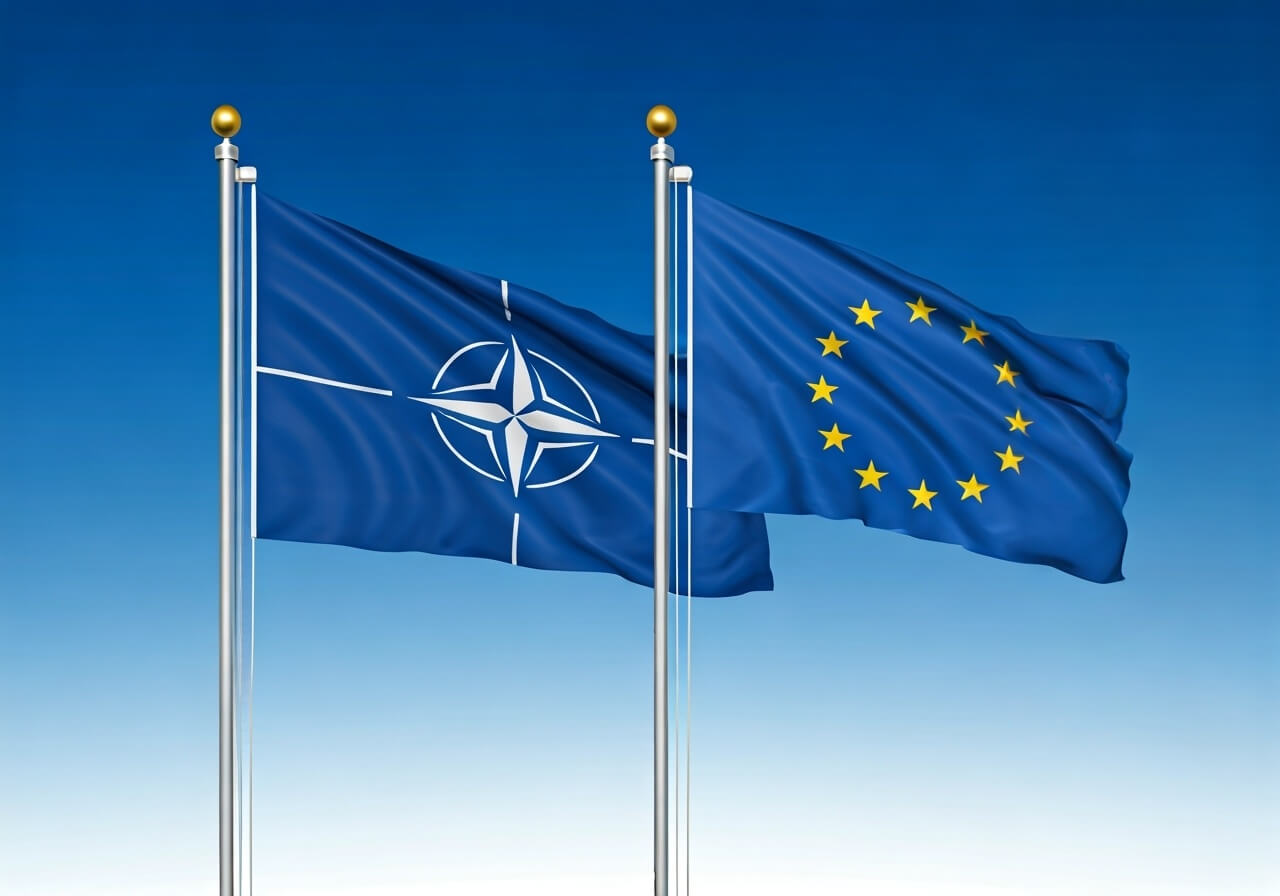
US and European defence ministers met in Brussels on Thursday with a shared understanding: NATO needs to evolve, with Europe assuming a larger role in its own defence. While both sides agree on the need for change, their reasons differ—Washington is keen to focus on other global theatres, while Europeans want to reduce reliance on the unpredictable US administration.
US Under Secretary of War Eldridge Colby framed the discussion as a call for “NATO 3.0,” urging European allies to take primary responsibility for conventional defence on the continent. “Europe should field the preponderance of the forces required to deter, and if necessary, defeat conventional aggression in Europe,” he said, emphasizing that a stronger European pillar is essential for the alliance’s future.
Europe Steps Up Its Defence Game
While the US has long pushed for burden-sharing, Europe has not always embraced the idea. That appears to be changing. NATO Secretary General Mark Rutte described the Brussels meeting as “pivotal,” highlighting a growing unity of vision and a “much stronger European defence within NATO.”
Several European nations are already exceeding expectations. Denmark, Estonia, Latvia, Lithuania, and Poland are set to surpass the new 3.5% GDP defence spending target a decade ahead of schedule. The commitment comes after months of US pressure, including warnings from former President Trump that allies not meeting spending targets could risk US support under NATO’s collective defence clause.
Recent tensions, such as Trump’s threat to take military action over Greenland, have also underscored the need for Europe to take a more independent role. NATO has since launched enhanced vigilance in the Arctic while diplomatic talks continue.
Shared Responsibility, Clear Roles
European leaders have embraced the message that a stronger NATO requires Europeans to carry more weight. German Defence Minister Boris Pistorius called it “absolutely normal and natural” for Europe to gradually take on greater responsibility, while French and Romanian officials stressed that Europe must be able to protect itself in collaboration with NATO and the US.
The Netherlands called for a “no-surprise policy” to ensure any US drawdown is matched by European readiness. Some changes are already underway: the US announced it would not replace a rotating infantry brigade in Romania, and European allies are taking on more leadership within NATO’s command structure.
Rutte emphasized that key positions, such as the Supreme Allied Commander Europe, should remain American to guarantee a continued strong US presence. This balance allows Europe to strengthen its forces while maintaining the transatlantic partnership, reflecting a logical division of labour in an alliance where the US accounts for more than half of NATO’s economy.
Looking Ahead
NATO 3.0 represents a turning point: Europe is taking greater ownership of its defence, the US is shifting focus toward global priorities, and both sides are working to maintain the cohesion that has underpinned the alliance for decades. The coming years will test how well this new balance of power can be sustained while keeping the transatlantic bond strong.
