


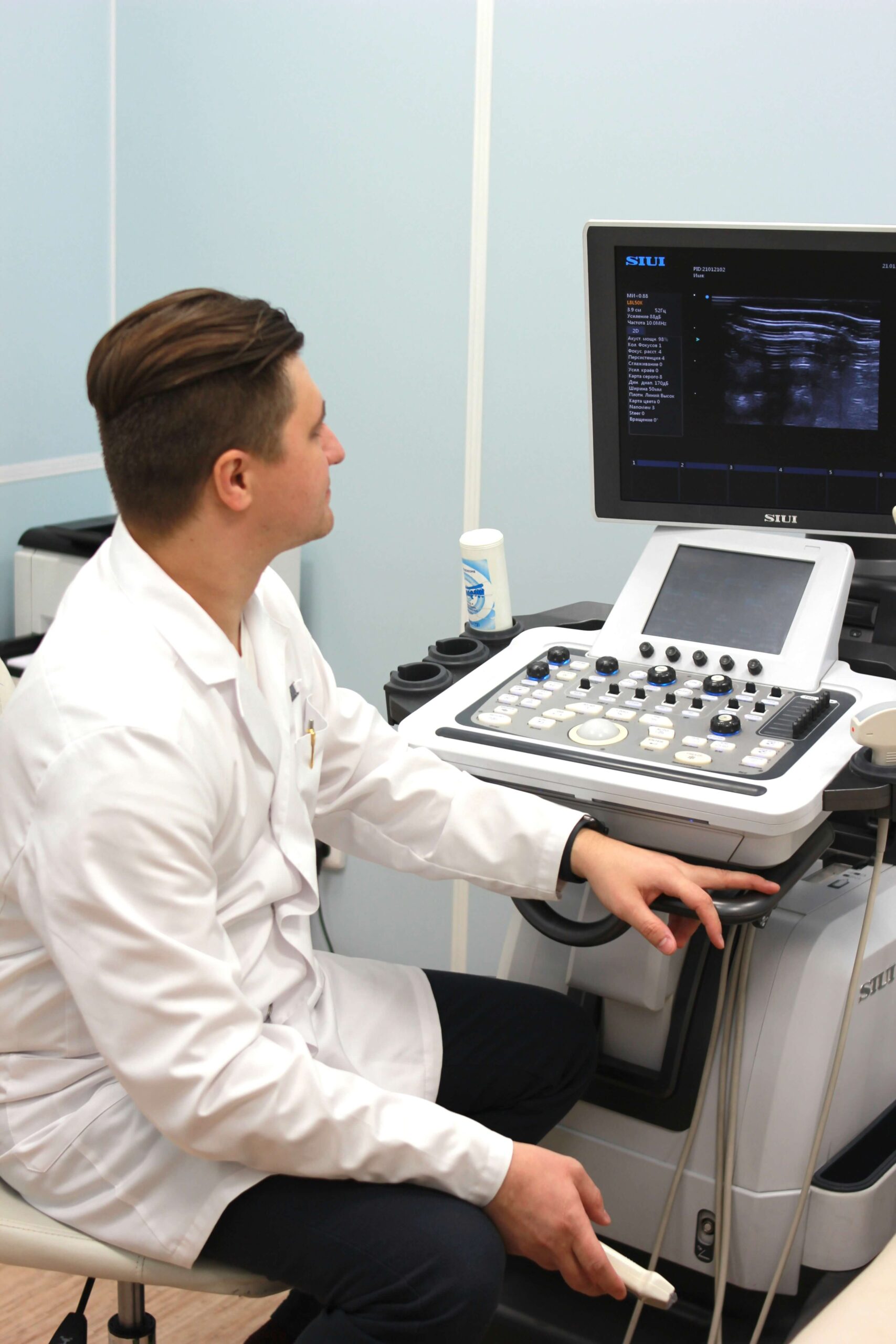
Prenatal ultrasounds are a vital part of monitoring a baby’s development, but traditional scans can miss up to half of fetal abnormalities. Now, a new AI-powered system cleared by the U.S. Food and Drug Administration (FDA) aims to help doctors catch more issues earlier.
Real-Time Analysis in the Exam Room
The software, developed by U.S. start-up BioticsAI, works alongside existing ultrasound machines. It instantly evaluates each image, checks for quality, suggests adjustments, and ensures every part of the baby is visible. Using global data patterns, it flags potential problems such as heart or limb defects and produces a detailed report for doctors right after the scan. Developers say it could also save healthcare professionals around eight minutes per patient by reducing documentation time.
Closing the Detection Gap
Birth defects affect roughly 24 per 10,000 births in Europe. Studies show that early scans between 11 and 14 weeks detect only 38% of anomalies, while mid-pregnancy scans catch about 51%. Performing both scans improves detection to 84%, leaving gaps that AI could help fill, giving doctors a better chance to identify issues early.
AI Advances in Europe
European companies are also rolling out similar technology. French start-ups Diagnoly and Sonio Detect have received approval for AI-assisted prenatal scans, helping automatically identify fetal structures and heart problems. With AI becoming more common in prenatal care, families and doctors can expect smarter, faster, and more accurate monitoring of fetal health.
