


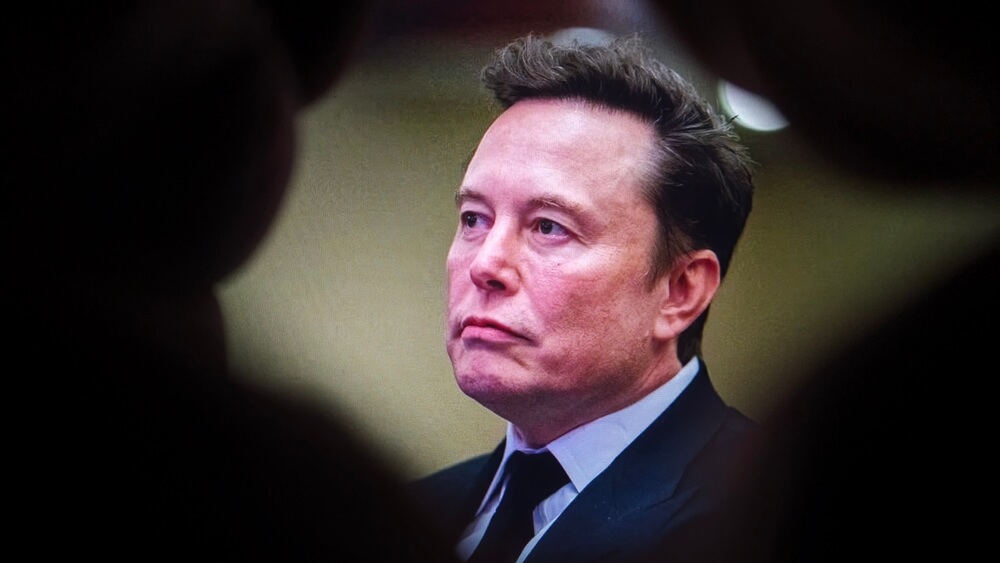
SpaceX Surpasses Tesla in Private Valuation
Elon Musk’s SpaceX has reached a $1.25 trillion (€1.06tn) valuation following its merger with AI company xAI, closing the gap with Tesla and reshaping Musk’s wealth portfolio. Tesla currently sits at approximately $1.58 trillion (€1.34tn), just 26% above SpaceX-xAI’s combined private value. On paper, Musk now derives more of his fortune from space exploration and AI than from electric vehicles.
Tesla has faced a challenging start to 2026. Its stock has dropped around 6% as the company reported a 16% decline in vehicle deliveries in January and a 3% fall in total 2025 revenue — the first annual decline in the company’s history. Rising competition in Europe and China, alongside the end of U.S. federal EV tax credits, has further strained Tesla, while Musk’s political associations have weighed on the brand’s public perception.
Tesla’s Strategic Shift to Robotics
With EV sales slowing, Musk is pivoting Tesla toward robotaxi services and Optimus humanoid robots, sectors still in their early stages. He recently announced the end of production for the Model S and X, which made up less than 3% of 2025 deliveries, repurposing those assembly lines for Optimus. This move reflects Tesla’s broader strategy to transition from traditional car manufacturing to futuristic technologies.
SpaceX Dominance and Emerging Risks
Meanwhile, SpaceX remains dominant in orbital launch services, holding multi-billion-dollar contracts with NASA and the U.S. Department of Defense. Its Starlink satellite network operates over 9,000 satellites and serves roughly nine million users. The SpaceX-xAI merger assigns $1 trillion (€847bn) in value to SpaceX and $250 billion (€212bn) to xAI, with Musk envisioning space-based data centers to reduce Earth’s energy constraints.
However, the merger introduces regulatory and political challenges. xAI faces scrutiny in the U.S., Europe, India, and Malaysia over its Grok image generator, which produced explicit deepfake content, while French authorities raided X’s offices amid an algorithmic abuse probe. Experts warn these risks could extend to SpaceX, particularly given Starlink’s international operations. While private ownership allows Musk to manage these issues for now, a future public listing could test investor appetite for a high valuation under such regulatory pressures.
