


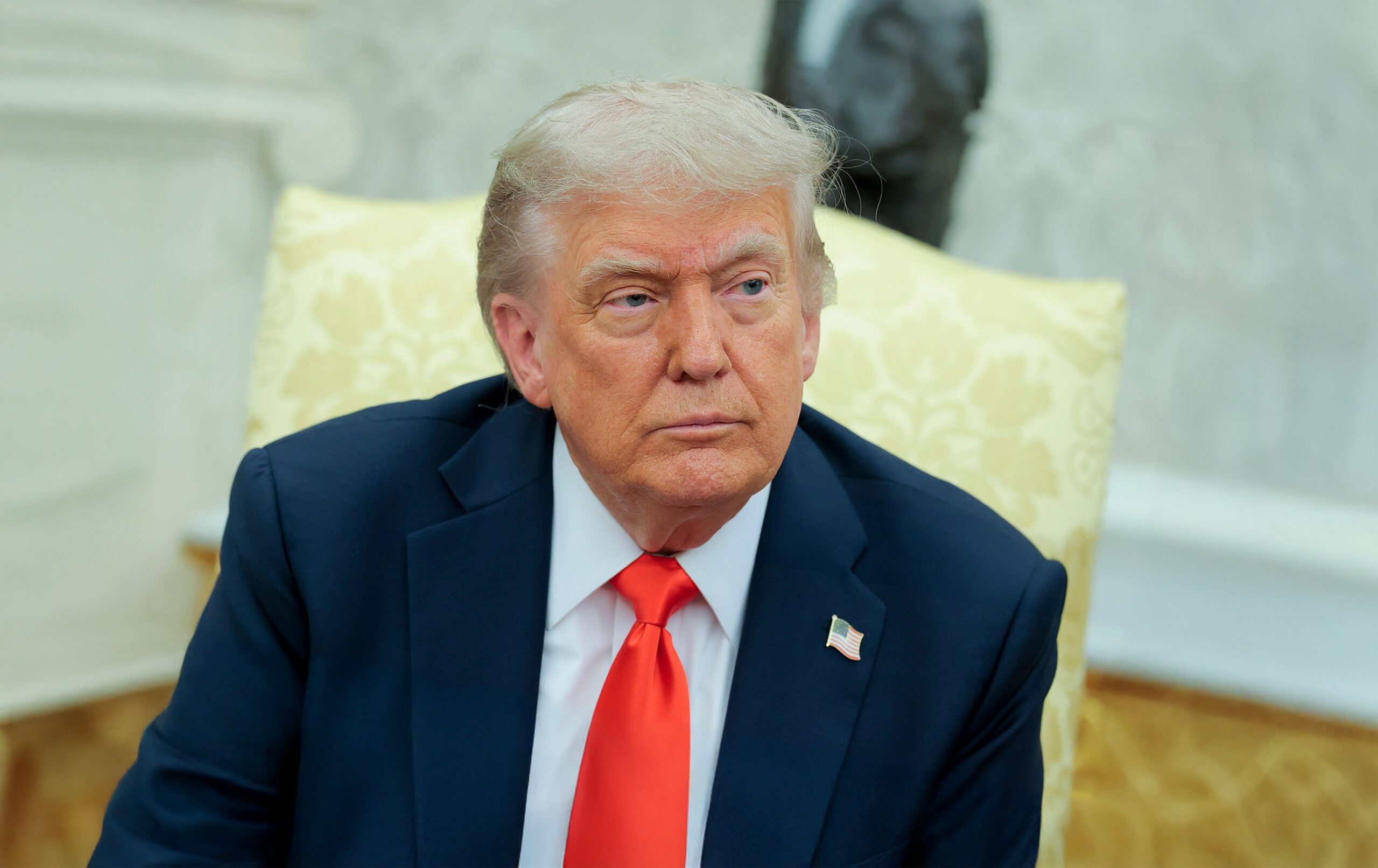
President Trump publicly urged Attorney General Pam Bondi to prosecute his perceived enemies immediately.
He named James Comey, Adam Schiff, and Letitia James as targets, calling them “all guilty as hell.”
Trump claimed previous indictments against him were “OVER NOTHING” and demanded justice be served quickly.
Ouster Signals Escalation in Political Pressure
Trump removed U.S. Attorney Erik Siebert after Siebert failed to charge Comey and James.
Trump nominated Lindsey Halligan, a career insurance lawyer and his personal legal team member, to replace Siebert.
Halligan has no prior prosecutorial experience, raising concerns about Justice Department politicization.
Pressure Expands to Other U.S. Attorneys
Officials reportedly pressure Kelly Hayes in Maryland, overseeing investigations into Schiff and John Bolton.
Hayes told associates she would not file charges without sufficient evidence, as Siebert previously did.
Trump’s campaign against U.S. attorneys mirrors earlier efforts to remove officials involved in cases against him.
Public Statements Highlight Retaliation Motives
Trump said prosecutors must act “one way or the other” regarding his critics, emphasizing rapid enforcement.
His public posts and comments break longstanding Justice Department norms that prevent political interference.
The president aims to influence routine federal prosecutions to target critics and protect allies.
Legal Experts Warn of Systemic Risks
Intervening in U.S. attorney offices undermines the independence of federal prosecutions.
Historically, such interference sparked resignations and scandals, as with Alberto Gonzales in 2006.
Trump’s actions represent an unprecedented direct approach to controlling prosecutorial decisions for personal objectives.
