


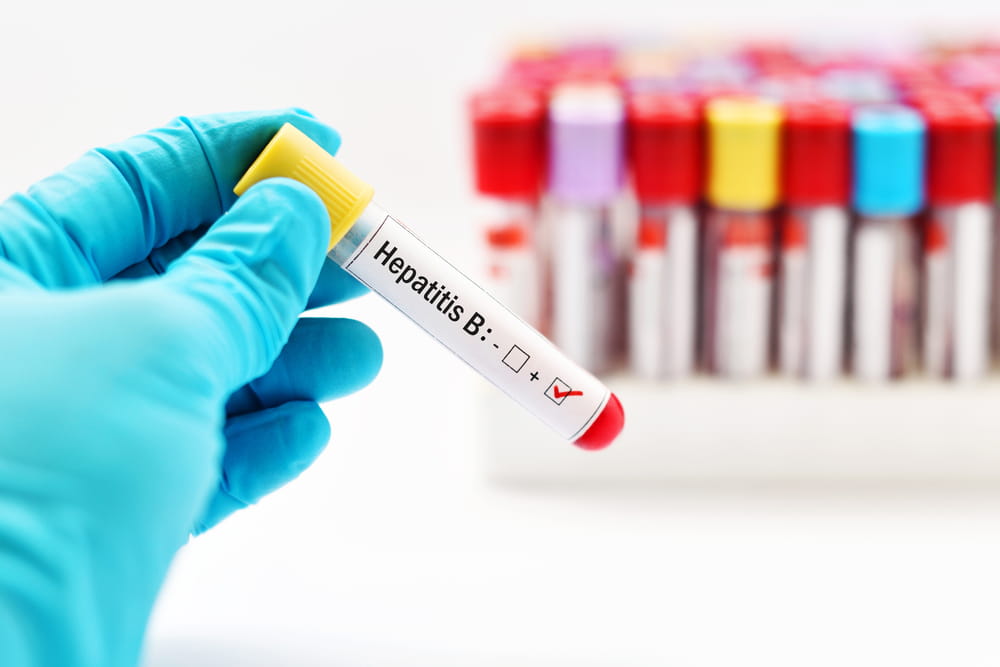
A controversial US-funded study on hepatitis B vaccines for newborns in Guinea-Bissau has been cancelled following widespread criticism over its ethical design. The decision was confirmed by Africa Centres for Disease Control and Prevention, whose senior official Yap Boum said the trial raised serious concerns about withholding a proven, life-saving vaccine in a country with a high hepatitis B burden.
The $1.6m study, funded under the authority of US Department of Health and Human Services and linked to vaccine skeptic Robert F Kennedy Jr, would have denied half the participating newborns access to the vaccine. Africa CDC said the trial could only proceed if it were redesigned to meet ethical standards, though senior officials in Guinea-Bissau later confirmed the study had been cancelled outright.
Health experts welcomed the decision. Paul Offit called the cancellation “extremely heartening,” while researchers warned the study could have caused lasting harm to trust in vaccination. Hepatitis B affects about 18% of adults and 11% of infants in Guinea-Bissau, and the country plans to introduce a universal birth-dose vaccination programme in 2027 when supplies improve.
The episode has been described as a milestone for strengthening ethical oversight of medical research in Africa, amid calls for studies to be led by African scientists and guided by local health priorities rather than exploiting vaccine shortages.
