


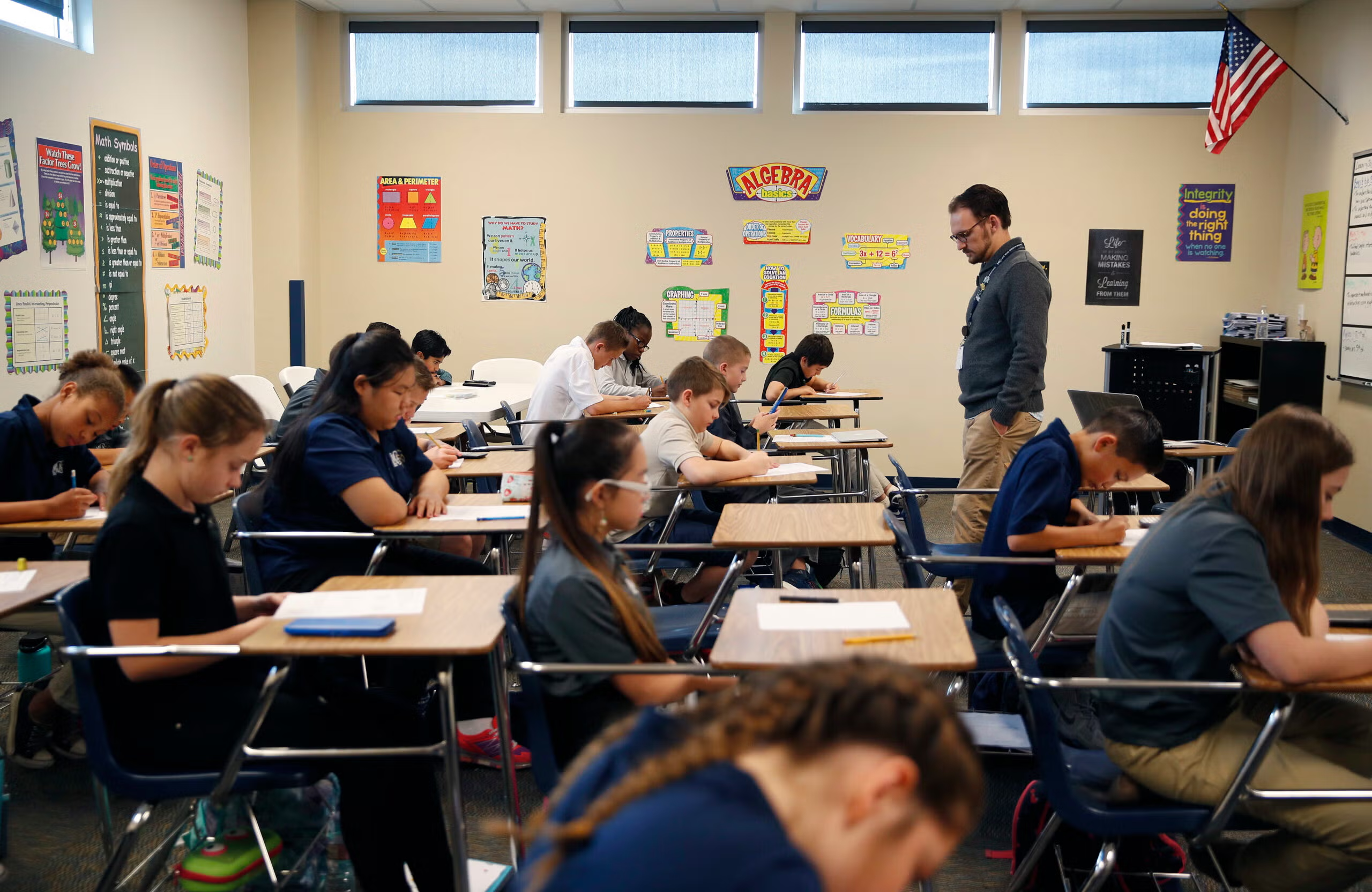
U.S. students are rating their schools higher than in previous years. According to the Gallup survey, satisfaction has increased across the board, with particularly strong gains among Black, Hispanic, and lower-income students.
The study measures student engagement, school climate, and overall satisfaction. Researchers say these improvements suggest that schools are better meeting the needs of students from diverse backgrounds.
Educators note that positive student perceptions can impact learning outcomes. Students who feel supported and engaged in their school environment are more likely to perform well academically and remain in school.
The Gallup findings also show that students from historically underrepresented groups report a stronger sense of belonging and connection with teachers. This increase in positive feedback reflects ongoing efforts to make classrooms more inclusive and supportive.
Experts point to programs that emphasize student voice, personalized learning, and social-emotional development as factors contributing to higher ratings. Schools implementing mentoring, tutoring, and extracurricular support have seen notable improvements in student satisfaction.
Parents and school administrators have praised the results, noting that students feel heard and valued. Positive school experiences are linked not only to academics but also to overall well-being and motivation.
While satisfaction ratings are improving, researchers caution that challenges remain. Disparities still exist in access to resources, quality teaching, and extracurricular opportunities, particularly in underserved communities. Efforts continue to address these gaps and ensure all students can benefit equally.
The survey also found that students’ views of their schools are connected to teacher relationships and engagement. Teachers who actively listen to students and incorporate their feedback contribute to more positive school experiences.
Education policymakers see the survey as a valuable tool for guiding future initiatives. By understanding which factors influence student satisfaction, schools can tailor programs to improve learning environments and outcomes.
Overall, the research highlights that U.S. schools are making progress in meeting the needs of students across socioeconomic and racial lines. Higher ratings suggest that initiatives focused on equity, engagement, and student support are producing results.
As schools continue to adapt and innovate, student feedback will remain a key measure of success. The findings encourage educators to maintain focus on inclusivity, support, and strategies that foster positive school experiences for all students.
These trends in U.S. student school ratings reflect broader efforts to improve educational quality and student satisfaction nationwide. By prioritizing student voice and equitable access, schools are creating environments where all learners can thrive.
