


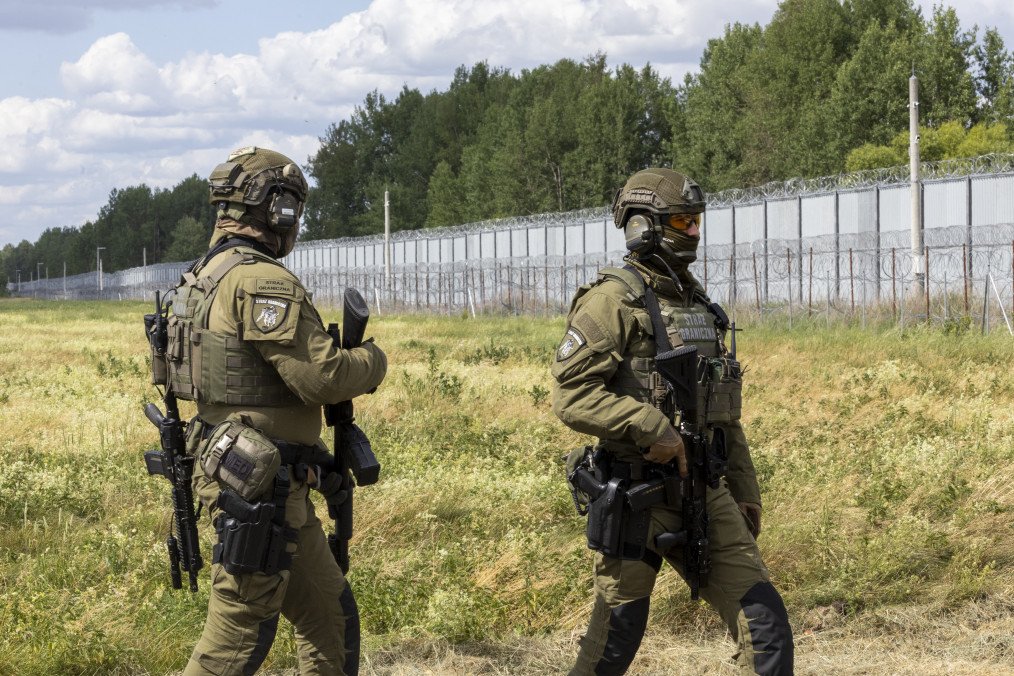
Poland announced it will temporarily close its border with Belarus during the upcoming Zapad military exercises, citing security risks. Prime Minister Donald Tusk confirmed the measure on September 9, emphasizing it is preventive and limited in duration.
“The border will be shut down for the period of Zapad drills, with exceptions only for humanitarian and diplomatic reasons,” Tusk said. He stressed that the move aims to ensure the safety of Polish citizens amid heightened regional tensions.
The Zapad drills are large-scale joint military exercises conducted by Russia and Belarus every four years. This year’s exercises are expected to involve tens of thousands of troops. They occur against the backdrop of Russia’s ongoing war in Ukraine and increased NATO vigilance along its eastern borders. Warsaw has expressed concern that such drills could serve as a cover for aggressive actions or border provocations.
In preparation, Poland has reinforced its eastern frontier with additional military units. Surveillance assets will be deployed along the border, and joint information-sharing with Lithuania and Latvia has been intensified to ensure rapid responses if needed.
The Polish Ministry of Defense confirmed that armed forces remain on high alert. A spokesperson said, “Our forces are ready to respond to any potential incident during the exercises.”
Authorities in Poland have urged citizens to avoid traveling to Belarus during the drills, citing potential espionage risks. Travel exceptions will be granted only for humanitarian or official diplomatic purposes. Belarusian officials have not yet commented on the border closure, while Moscow continues to describe Zapad exercises as routine and defensive, claiming they are not aimed at NATO.
Poland’s preventive measures reflect broader regional security concerns. NATO allies are closely monitoring Zapad-2025, emphasizing the need for readiness along the eastern flank. Analysts note that such drills often increase tensions, even when officially described as defensive, given the ongoing conflict in Ukraine and Russia’s military posturing.
In addition to reinforcing its own forces, Poland has coordinated closely with NATO partners to ensure constant monitoring of the border. Surveillance systems, intelligence sharing, and rapid response mechanisms have been bolstered. This includes collaboration with neighboring Baltic states to maintain situational awareness and prevent any incidents from escalating.
Security experts highlight that closing the border temporarily is a precautionary measure aimed at minimizing risks during high-stakes military exercises. It demonstrates Poland’s proactive approach to citizen safety and regional stability.
Zapad-2025 serves as a reminder of ongoing tensions in Eastern Europe, particularly between NATO and Russian-led forces. Poland’s actions underline the country’s commitment to protecting its borders while maintaining diplomatic and humanitarian channels open where necessary.
